Tuesday, 29 March 2016

Home-made Pizza

I've made pizza from scratch twice before but this is the first time I've used this particular recipe - from Paul Hollywood's Bread. I found it much easier and quicker to make the dough compared to the recipe I've used previously, and the resulting pizza was lovely. The two hardest things are kneading the dough and throwing it to shape it - I gave it a go but ended up just using a rolling pin! Apart from that, it's pretty easy and really tasty.


After kneading the dough, we let it rise for an hour, during which time it pretty much doubled in size. While the dough was rising, I made a sauce for the pizza topping using olive oil, tomato puree, water, garlic, basil and oregano.


Pizza toppings: mushrooms, red peppers, red onions, pepperoni and vegan cheese. Some of us also added Stilton!
 Aaand here are the final results! The pizzas take only ten minutes in the oven. The recipe was meant for three pizzas not four so ours were slightly small (not to mention funny-shaped!) but they were still pretty filling, especially with the salad. We reckon they were healthy too!


My pizza :)


Sunday, 27 March 2016

Making Vegan Cheese

Since it's the Easter holidays at the moment, I'm visiting my family which means I have my parents' kitchen at my disposal. So I've taken this opportunity to do a bit more cooking than usual. Some day I'd love to make dairy cheese but I recently acquired a vegan cookbook and I've been dying to make one of the recipes in it. Vegan cheese - or at least, this particular recipe for vegan cheese - takes a lot less time to make than dairy cheese (only about a week), so I thought it was a perfect place to start.

The recipe we used ("we" here being myself and my mother/sidekick) is for "nut cheese" from Dunja Gulin's The Vegan Pantry, which is such a pretty book that I daren't leave it in the kitchen in my uni house with my other cookbooks for fear of it getting ruined (like my other cookbooks). The recipe has a lot of variables, such as which nuts are used and what you use for the cheese starter (aka rejuvelac - Gulin recommends spelt berries, but also gives several alternatives). For the nuts, we used cashews and almonds, and for the rejuvelac millet for the rejuvelac since we couldn't get hold of spelt berries. We also doubled the recipe. In retrospect, it may have been easier to keep to the original recipe for our first time cheese-making but it seemed to turn out alright in the end.

Soaking the millet for 2 days for the rejuvelac - this smells horrible
Soaking the cashew nuts & almonds

Blended cashew nuts & almonds

Blended cashew nuts & almonds in the big bowl vs very blended cashew nuts & almonds + rejuvelac in the little bowl


Apparently vegan cheese looks like porridge

The whole mixture gets put in a strainer wrapped in cheese cloth

Then you tuck it in and leave it to sleep for a couple of days

We checked on it halfway through - at this point it smelled very much like cottage cheese

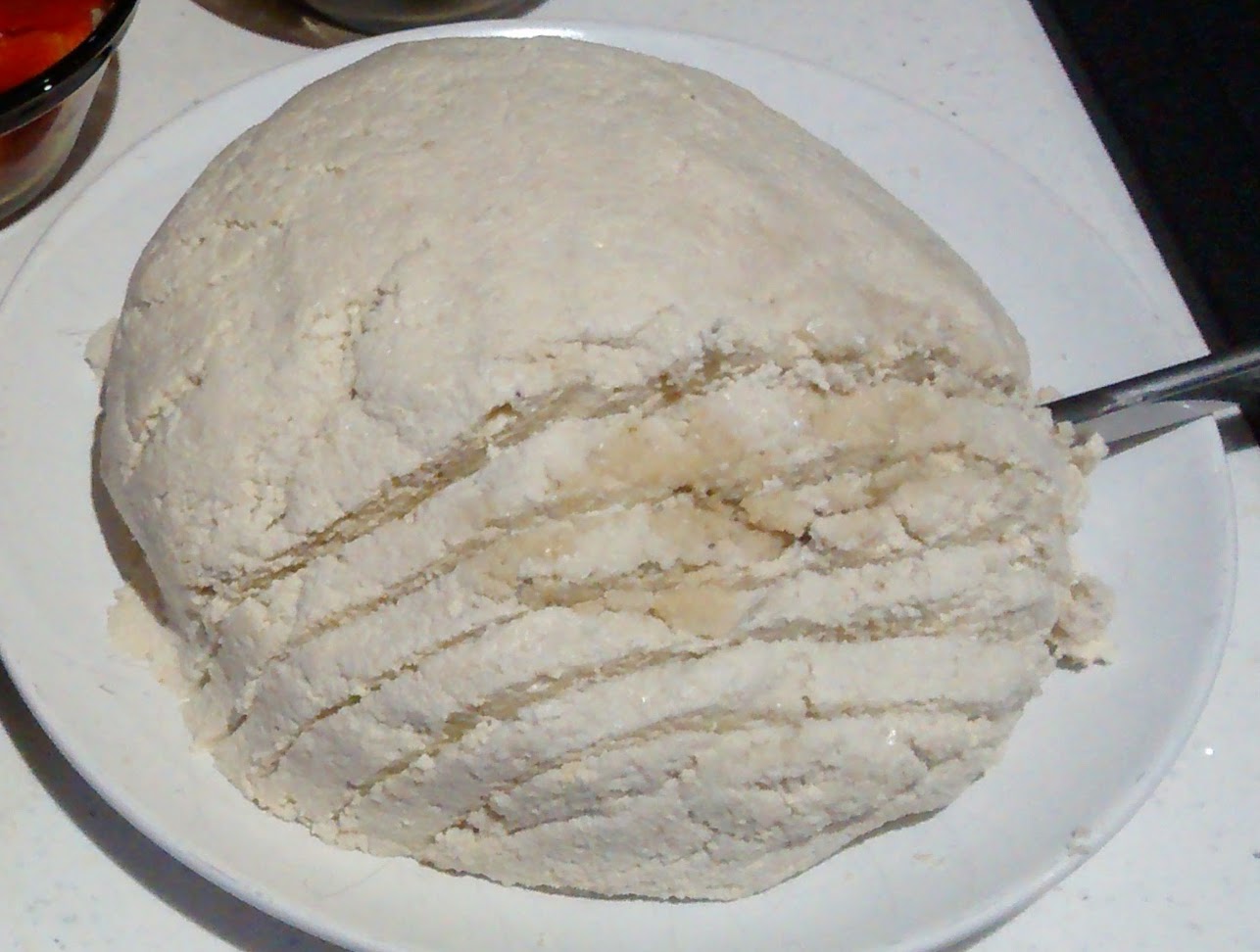
Then it goes in the fridge for another 24 hours to set, looking like bread dough
The finished product!

We ended up making at least 900g of nut cheese! It was a mostly easy process, since it's all spread out over about a week, so you only actually do little bits at a time. The blending was the most time-consuming thing; other than that, it's mostly just waiting for it to mature and set. Raw, it's very light and airy but still tastes quite nutty, with the consistency of hummous but a bit thicker. It tastes more like cheese when eaten with bread as opposed to on its own. It makes very good pizza - more on that in my next post!

Oh, and one more thing: happy Easter to those who celebrate it! :)

Thursday, 24 March 2016

Adventures in Iceland

One of my many dreams is to see as much of the world as possible. I want to travel round to Finland, Norway, Sweden, Germany, Italy, New Zealand... I could go on. So last week my boyfriend and I went to Iceland, mostly in the hopes of seeing the Northern Lights, but also to see what else Iceland has to offer.

We got up at half five in the morning the Monday before last so as to get a taxi to get a train to get another train to get another, smaller train, to get a bus to get a plane to get a coach, all of which resulted in us reaching our hotel in Reykjavik at around 5PM. We decided it was too late to do anything but get settled in and find somewhere to eat then get some well-earned sleep.

So our story really starts on the Tuesday, when we set out on the Golden Circle tour. It lasted all day and included various landmarks in the vicinity of Reykjavik in the south west of Iceland.

Our first stop was the valley of Haukadalur, which is very geothermally active and is the home of the geysers Geysir and Strokkur as well as numerous hot springs.

The hot springs

The geyser Strokkur


A pair of hot springs were bright blue and green

The next stop was Gullfoss, which literally translates to "golden waterfall". On the coach on our way there, out tour guide told us a story from the early 1900s about a 14 year old girl who walked to Reykjavik on her own to find powerful people to stop plans to build a hydro-electric plant here, which would have ruined the waterfall she so loved. Personally, I'm glad she succeeded: Gullfoss is a beautiful sight to behold.


My favourite stop on the tour, though, was the Thingvellir National Park. This is not only where the European and American tectonic plates meet but also where Icelandic chiefs held parliament for several hundred years, hence its name: "thing" translates to "parliament" and "vellir" translates to "fields" (according to our tour guide and assuming I've remembered correctly). The views here were absolutely spectacular and there were some really pretty rocks too.


Walking up the ridge between the plates


It was a long day, but I'm really glad we got out of Reykjavik to see Iceland's landscape and some of its natural landmarks. We were meant to be going on a Northern Lights hunt later that evening, but on the way back to Reykjavik from the Golden Circle tour we were informed that the trip was cancelled due to the weather conditions, which was fair enough; we hadn't seen a single inch of blue sky since arriving in Iceland.

We spent our second (and last) full day in Iceland wandering round Reykjavik, starting with the impressive Hallgrimskirkja, the largest church in Iceland, which took 41 years to build.

Outside Hallgrimskirkja

Views of Reykjavik from the top of Hallgrimskirkja

Inside Hallgrimskirkja

The organ in Hallgrimskirkja
 From there, we went to one of Reykjavik's numerous geothermal bathing pools. We chose the nearest one to our hotel, which resulted in choosing a considerably less "touristy" pool, which may have been why it was mostly just like any average swimming pool you'd find in England, except with a slightly sulfuric smell and some rather strict showering etiquette which was only displayed on a small paper sign by the entrance to the changing rooms. I only noticed this on my way out, so even though we'd read about the rules for showering at geothermal pools online, it still made for a rather confusing experience. The jacuzzi-like hot pools that we had expected were actually on a balcony outside, but were more than hot enough to make up for the shockingly cold run from the door to the hot pool, and were relaxing enough to make up for the confusion of the changing room rules.

Then, we headed for the Saga viking museum. It was smaller than we expected, taking only 35 minutes to go through the entire exhibition, starting with the formation of Iceland and going through its settlement and history, but not right up to modern times. We were given an audio tour which expanded upon the information provided on the signs by each exhibit. I personally felt that the history was a little too condensed; it felt very much like we were seeing only snippets of Iceland's history rather than the whole story, but it was still fun and educational. The best bit about the Saga museum, though, is definitely the Viking-style clothing they have for visitors to try on; we must've spent at least half an hour trying on chain mail and trying out various helmets, shields, swords, spears and axes. If you think dressing up is just for kids, just remember: all the Viking clothing in the Saga museum is adult-sized.

Upon (eventually) leaving the Saga museum, we discovered that blue skies do, in fact, exist in Iceland! So we took a walk along the shoreline to enjoy the weather and to see Sólfar, the Sun Voyager sculpture.

Blue skies over the harbour and the mountains after we left the museum


Since the previous nights' Northern Lights trip had been cancelled, we had booked to try again that night, and this time the trip went ahead. The minibus set off from the hotel at half past nine and our coach reached a (mostly cloudy) field in the middle of nowhere, where we had a better chance of seeing the Northern Lights, at around eleven. After forty-five minutes of standing round in the cold with no luck, we decided to get back on the coach, and after another forty-five minutes, our tour guide gathered anyone who hadn't already given up in search of relative warmth and we declared our hunt unsuccessful and headed back to Reykjavik. We reached our hotel at about 2AM and packed our things, which gave us barely two and a half hours before we had to get up again to go back to the airport.

It might be cold, expensive and have water that stinks of sulfur when you turn the temperature up, but I highly recommend visiting Iceland to anyone considering going (and anyone not). And if none of what we did during our three-night trip floats your boat, don't worry: this is only the tip of the iceberg for what you can do here. Think glacier hikes, ice caves, volcanoes, whales, snow mobiles, Icelandic horses, the Blue Lagoon, and the many other museums that Reykjavik has to offer, plus much more. I know that we will definitely go again in the future, and finally getting to see the Northern Lights will only be an excuse to revisit a breathtakingly beautiful island nation.

Saturday, 27 February 2016

University Life, Part One: The Pros

I chose to come to university mostly because I didn’t know what else to do. That sounds like a bad way to make such an important decision, but I had no idea what job I wanted to do – besides, the idea of getting a job terrified me. There were no apprenticeships in anything that would suit me. There were, however, degrees that would suit me. I figured, if I do a degree I enjoy, then surely that will lead me into a career I enjoy.

So, whether it was the best choice or not, I went to uni.

And let me tell you something: I am so glad I did. Sure, there are some things that haven’t gone as I’d hoped and things that I wasn’t expecting to be problems (more on that in another post), but on the whole, university has so far been a fabulously beneficial experience for me.

For starters, remember how I said the idea of getting a job terrified me? Well, so did the idea of leaving home and going to uni. But the thing is that, at uni, everyone is the new kid. You’re shoved together in your halls and your lectures, and nobody knows each other and everybody is probably just as terrified as you are, whether they show it or not. It’s a new start, a new experience, surrounded by new people.

That’s several advantages in one. In school, you have a limited number of friends: of all the people of your age in your local area and who are in some of the same classes as you, you have to find the most agreeable ones. At uni, though, there are people from all walks of life, and in both classes and societies, you all end up classified by interests. Whether it’s a mutual passion for your degree subject or for a certain hobby, these are people you actually have something in common with. These are people you can be yourself with. And because they’re new people and it’s a new start, you can feel free to be whoever you want to be. I, for example, took this new start as the perfect chance to turn vegetarian.

Speaking of feeling free, leaving home to go to university gives you a whole new sense of independence. You get to come and go as you please. You get to make whatever food you like at whatever time you like. You can spend time with whoever you want for as long as you want. For me, this has taught me things about myself I didn’t even know. I have discovered that I love experimenting with food and trying new things, even though I’ve always been quite a picky eater. I’ve also realised that I have a tendency to try and do things on my own, without asking for help – and consequently, that this isn’t always a good thing, and that it can feel good (and totally not as scary as I thought it would be!) to share my thoughts, plans and ideas with others.

I see uni as a stepping stone to adult life: you've moved out of your parents' house, but you're not living on your own yet. You have to cook and clean for yourself, but you're with other people who are also learning how to do that. You have to budget your money and your time, but you have the support of the uni - personal tutors, advisers, and other welfare staff - to fall back on if you need help. It's a safe space to learn to be independent and grow your confidence so that you're ready for the adult world.

On top of that, there’s an awful lot of opportunities that university has to offer. Be it internships, research projects, semesters abroad – there’s more chance for CV improvement than just your degree. Plus, it’s an absolute confidence booster. When I signed up to be on the committee of the Creative Writing Society last year, I wanted to help, in some way, to improve a society that I saw so much potential in. But I was terrified of adding extra responsibilities to my studies; I just wanted to do something small. Now, though, I’m taking almost complete responsibility for the anthology we’re putting together, and I’m helping to organise the writer’s retreat weekend we have planned. I've made phone calls, I've promoted the society to strangers, and I've even led some of our writing sessions - which means talking to an entire group of people at once. It’s more responsibility than I imagined I would have, but it’s showing me what I am actually capable of when I push myself out of my comfort zone!

All this independence and confidence boosting has ultimately shown me that the Big Wide World is not as scary as it sounds. Thanks to my involvement with the Creative Writing Society, I have an idea for what I career I want to go into after I get my degree. And more impressively, considering how scary I found it before, I’m actually looking forward to life after university.

But university isn't all positives, and its pressures are another reason why I'm looking forward to leaving. And if you're reading this while wondering whether university is for you, you'll need the full picture - not just the benefits - before you decide. So, here is my post on the cons of university life.

Saturday, 13 February 2016

The Redwood Rebel: Book Review

The Redwood Rebel by Lorna George, published in 2015, is the first in the Redwood War trilogy. It follows the story of Naomi, a young soldier from the land of Ffion who, after being imprisoned for four years, makes a deal for her freedom in the hopes of eventually freeing her country from the tyrannical princess leading it to its own destruction. However, it's not long before her plan goes terribly awry and she ends up not only fighting for her life but doing so in a difficult and unexpected situation (no spoilers!).

I first came across Lorna George on tumblr, where she was promoting her book before it was even published. I heard it was a book with dragons and strong female characters, so needless to say, I was very excited to read it when I finally got my hands on a copy at Christmas.

I'd like to say that I wasn't disappointed, but I'd also like to be honest. I really wanted to fall head over heels in love with this book. I wanted it to be my new favourite - after all, it has dragons and strong female characters; what more could one possibly want from a book? Especially when the protagonist is possibly one of the strongest female characters I've come across? Naomi is not only an ex-soldier but also extremely well educated and written very realistically. She's stubborn and knows her own mind and isn't afraid to voice her opinion. And she's not the only well-developed character, thank goodness. Our other protagonist is just as stubborn and flawed as she is (no Mary Sues here, thank you very much!).

The thing I think I loved best about this book was its worldbuilding. Naomi spends a lot of time with a group from another of the two continents in Ilios, the world where The Redwood Rebel is set (I won't say which so I don't spoil it for anyone), and there are a lot of cultural differences. There is a huge divide between the views and mindsets of one nation and those of the other, and that's something I'm not I've seen before. It made for a very developed world, not to mention plenty of conflict as characters from different backgrounds argue over the right way to do things. It also led to numerous discussions on consent which of course was fabulous.

So, then, you may ask: how can you possibly be disappointed with this book in the slightest?
Sure, the characters were great, but that doesn't mean I connected with them that well. There were a lot of long internal monologues which described what our characters were feeling and thinking and pretty much every reason behind those thoughts and feelings. Counter-intuitively, I felt that this not only slowed down the plot but also distanced me from the characters. I felt I never got chance to get to know them, because I was just told about them instead. I'd heard Naomi mentioned so many times, I was really looking forward to meeting her, so I was disappointed that it didn't really feel like I'd met her - rather, it felt more like I was hearing about her from a friend.

But having said that, I have no doubt that The Redwood War series will only get better from here. I still definitely recommend reading The Redwood Rebel especially if you're looking to read something with dragons in, or a progressive fantasy. I can't wait to read the next installment!

Friday, 5 February 2016

Editing Others' Writing

A while ago, I talked a bit about what I want from people reading my writing, which is mostly just a vast amount of incredibly detailed opinions. Over the past week or two, I've been trying to apply this to my own reviews of other people's work in giving feedback for the entries to the Creative Writing Society's upcoming anthology.

I'm not going to lie: it's not easy. At first I felt very awkward giving feedback to my peers - some of whom I knew personally, and some of whom were older and therefore more experienced in both life and (presumably) in writing than me. I felt like I was in no position to comment on anything they'd written; I felt like I'd arbitrarily given myself authority to criticise them just because I was on the committee, even though of course my writing is no better than any of theirs. So I made sure that everyone knew I wasn't trying to tell them what to do, and they could ignore all my opinions if they wanted. Reminding myself that I was just giving an outside perspective also helped. But even once I'd gotten that out the way, I still had misgivings. In trying to be constructive I often felt like I was just insulting their work, and I spent most of my time staring out the window trying to work out how to word something nicely, or whether it was worth mentioning at all.

The more I edited, though, the easier it got. I've given feedback on nine pieces now, and I suppose you could say I've worked out a bit of a system. First, I'll do a casual read-through, often at a time when I'm not planning to actually sit down and give any feedback yet. At this point, I'm reading the piece mostly out of curiosity, and for enjoyment. I won't think about it that much, I'll just read it. Often, I don't find much to criticise at this stage; everything seems fine.

When I come back to it, I give it another read through, being more critical this time but not making any comments yet. After that, I'll read it through as many times as I think I need to, annotating specific details, and making any more general comments in the email to which I attach the annotated document to send back to the writer.

There are a few things I make sure to look for and point out in both my annotations and general comments. The first thing is the good points. If there's a line or a paragraph or a word choice I particularly like, I let the writer know, and I try to tell them why I like it, too. In my general comments, I always start on a positive, too. This, I feel, not only balances out the review but also encourages them; nothing better than a nice compliment on your work to make you want to improve it even further. It also lets the writer know what not to change as well as what to change.

Secondly, I consider the theme or the take-home message of the piece. For the writer, this is mostly in their head; no matter what they put on the page, they know what they're trying to say, even if the two would not seem related to an outsider. That is, their overall meaning can get lost in winding sentences and trying to make this line rhyme with that line. So as well as looking at specifics I make sure to look at the overall piece to see whether its structure makes sense, whether the point of the piece is clear, and whether every part fits with this. I feel like giving a piece a clear theme or message gives it direction, which just makes it much more rewarding - not to mention easier - to read.

In pieces which have characters (some, like the essays and the poems, do not have characters), I make sure to look at them in great detail and outline for the writer how I perceive each character so they can check whether the character is coming across how they intend them to. For one piece, this meant going back through the piece an extra five times, looking at a different character each time.

To my relief, I've heard only good things from the writers who have got back to me after receiving my feedback so far. The next step I've suggested is for us all to swap our second drafts to get multiple viewpoints on them, then hopefully they'll be ready for printing!

Tuesday, 2 February 2016

New Semester Resolutions

     In the midst of writing essays and revising for the January exam period, I forgot to make New Year’s resolutions this year. Not that it really matters: I always think there are many opportunities for new starts apart from New Year. For me, one of those is a new semester. Deadlines and the stress they bring are gone for now, allowing time for other commitments such as self-improvement. Plus, with new modules under way, a new semester seems like the perfect time to become a new version of oneself.

     I’m not making resolutions as such, but there are many things I’d like to start doing, better habits I’d like to get into, this semester. One of them, as always, is to be more organised. This time, I’m going to stay on top of filing my lecture notes and I’m going to make sure to give myself plenty of time to not only complete but also perfect my assignments. I’m also going to watch the German news every night and watch more German films, to keep up my language skills; I might even sign up for German conversation classes, as I don’t feel I speak enough in seminars. And I’m going to do it all with positivity and motivation to spare.

     But that’s not all. I’m going to be a lot more involved in my university’s Creative Writing Society this semester, and that’s not so much something I’ve decided to do myself as something I’m already doing. I signed up to the Creative Writing Society committee last year as the “Editor”, which so far in this academic year hasn’t involved much, so I’ve basically just been doing odd jobs that other committee members are too busy to do. Now, however, the anthology we’re putting together is gaining momentum, and this is pretty much entirely my domain. I’ve been promoting the anthology to the Society’s members; I’ve been reviewing all the entries we’ve had so far so their authors can improve them*; I’ll be going to talk to the head of the School of English Literature, Language and Linguistics to see if the School will support and advertise our project as well as get us more writers; I’ll be organising feedback sessions for the writers to read and comment on each others’ work; and when they send me their final submissions, I’ll be formatting the whole thing for printing. 
     On top of all that, I’ve volunteered to help out with some of the other things Creative Writing is doing at the moment, which goes from the running of our usual writing sessions and social events to the organising of a writers’ retreat weekend at the end of the Easter break in mid-April. All in all, I feel like being part of this society’s committee is going to be incredibly hectic for me over the next couple of months, but the success of this society is something I’m very passionate about, and right now I feel like my enthusiasm will be more than capable of making up for any time, energy or sleep I end up lacking.

     Finally, I hope to spend at least ten minutes every day working on my own writing project (come this summer I’ll have been writing this novel for four years, and I’d very much like to finish it before I die), and I’m also aiming to start updating this blog regularly – every Friday, to be exact. I’ll be posting updates on my writing, updates on the Creative Writing Society, other writing-related bits and pieces, book reviews, and maybe even a short story or two. If you’d like more frequent updates, I’ll be posting shorter posts and occasionally some pictures on my tumblr blog.

     I know it seems like a lot for one girl to do while keeping herself alive and healthy, attending lectures and maintaining some semblance of a social life, but I feel like I’m in a much better place mentally and emotionally this year compared to last year**, so I think I can cope. Plus, I feel a challenge is what I need. What better way to stay focussed than to always have something to focus on? What better way to get oneself out of bed in a morning than to have so many goals to achieve? Of course, I can only hope that this doesn’t backfire; this is supposed to result in productivity and fulfilment, not stress and an impulse to hide from everything under my duvet. If this is a success, then I’m hoping it’ll set me in positive, productive habits for the rest of my life.

     On that note, let the whirlwind that is this semester begin!


*=I’m planning on writing a blog post on editing others’ work, so look out for that in the near future.

**=There were points last year when even the prospect of leaving my room to go to a lecture seemed like far too much pressure, never mind making an appointment with the head of the School of English Literature, Language and Linguistics.